 What causes bleeding gums, and when does gum disease become a serious threat to your teeth?
Endres Gateway Dentistry, led by Dr. Eleanor Endres, provides gum disease treatment to patients throughout Loveland, Montgomery, and Blue Ash. Bleeding when you brush might seem minor, but persistent gum symptoms can signal a disease capable of undermining the very foundation of your smile. Left untreated, gum disease can progress from simple inflammation to serious damage of the tissues and bone that hold your teeth in place, potentially ending in tooth loss. Recognizing the warning signs early gives you the best chance of stopping this progression before it reaches an advanced stage.
What Is Gum Disease Really Doing Beneath the Gumline?
Periodontal disease is an infection involving the tissues surrounding and supporting your teeth. It often begins when plaque builds up along the gumline and hardens into tartar, irritating and inflaming the gums. The visible redness or puffiness you see is only part of the story, since the infection can extend below the gumline and affect structures you cannot see. Dentists generally describe this condition in two stages: gingivitis and periodontitis.
Gingivitis: The Stage Where You May Have a Chance to Intervene
Gingivitis is the earlier, often reversible stage of gum disease. Common warning signs include red, swollen, tender, or bleeding gums, especially during brushing or flossing. Many people dismiss these symptoms as normal, but ignoring them allows the infection to advance into something more destructive. If you notice persistent changes in your gums, it’s worth having them evaluated rather than waiting for pain to appear, since periodontal disease can progress quietly.
When Gum Disease Starts Destroying Your Tooth’s Support System
Once gingivitis progresses into periodontitis, the infection begins affecting the structures that anchor your teeth. Gums may recede, and the bone supporting your teeth can start to break down. As these supporting structures deteriorate, teeth may become sensitive or start to feel loose. This progressive damage is directly linked to an increasing risk of tooth loss.
The Warning Signs You Shouldn’t Ignore
Red or swollen gums, bleeding or tenderness, persistent bad breath, gum recession, tooth sensitivity, and loose teeth can all indicate periodontal disease. Symptoms vary from person to person, and the disease can advance without causing dramatic discomfort. Residents of Loveland, Montgomery, and Blue Ash experiencing any of these symptoms should seek a professional evaluation before the condition worsens.
How Gum Disease Treatment Can Help Break the Cycle
The goal of periodontal treatment is to control infection and protect the structures supporting your teeth. Endres Gateway Dentistry uses advanced technology and favors non-surgical, minimally invasive approaches when appropriate, though the right treatment always depends on the severity of the disease.
Scaling removes tartar above and below the gumline, while root planing smooths rough areas along the tooth roots where bacteria tend to accumulate. This deep-cleaning approach is often an important treatment for gum disease, and local anesthetic can be used to keep patients comfortable throughout the process.
Additional tools may include antibiotics or chlorhexidine, an antimicrobial rinse used to combat plaque and gingivitis. Ongoing maintenance helps protect periodontal health over time, and more advanced cases may call for collaboration with a periodontal specialist.
What Happens When Gum Disease Goes Untreated?
Persistent inflammation can quietly progress into periodontal tissue damage, compromising the stability of your teeth. Advanced periodontal disease significantly raises the likelihood of tooth loss. Early treatment aims to preserve your natural teeth whenever possible, which is always preferable to replacing them later.
When a Tooth Is Lost, Why Implants May Enter the Picture
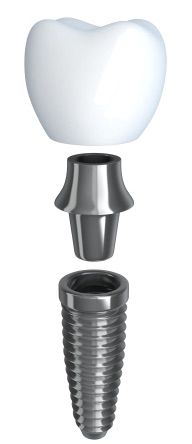
When a tooth cannot be saved, dental implants may offer a foundation for a replacement tooth. Replacing a tooth is a separate process from treating the periodontal disease that caused its loss, so addressing gum and bone health remains essential when planning any tooth replacement.
Protect Your Smile Before the Chain Reaction Begins
The progression is clear: plaque and tartar lead to gum inflammation, which can advance to periodontal damage, compromised tooth support, and eventually tooth loss and replacement. This chain reaction isn’t inevitable when gum disease is caught and managed appropriately. Take your symptoms seriously even if your teeth don’t hurt yet.
Take Action in Loveland, Montgomery, and Blue Ash
If you’re experiencing bleeding, swelling, recession, bad breath, sensitivity, or loose teeth, schedule a periodontal evaluation with Dr. Eleanor Endres today. Protect the foundation of your smile before gum disease decides what happens next.
Contact Endres Gateway Dentistry:
513-791-8880
Location (Tap to open in Google Maps):
9380 Montgomery Rd Ste 204
Montgomery, Ohio
45242