 What are the signs of TMD? Persistent jaw pain, morning headaches, earaches without infection, clicking sounds, and limited movement are key indicators that your temporomandibular joint needs professional attention.
You wake up with a dull headache. You rub your temples before your morning coffee. You avoid the chewy bagel you actually want for breakfast because your jaw just feels too tight. At Endres Gateway Dentistry, we see patients every day who have unknowingly built their lives around chronic discomfort. Daily headaches, jaw tension, and that unsettling clicking sound when you chew shouldn’t be your normal baseline. If you find yourself planning your meals, your conversations, or your sleep around how much your face hurts, it is time for a change.
TMJ vs. TMD: What’s Actually Going On?
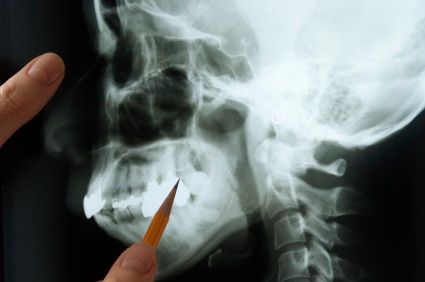
The acronyms get thrown around a lot, but there is a distinct difference between TMJ and TMD. The TMJ, or temporomandibular joint, is the actual hinge connecting your jaw to your skull. You have two of them, one on each side, in front of your ears. TMD, or temporomandibular joint disorder, describes the condition where the joint isn’t working correctly. It is the difference between having a knee (the joint) and having a sprained knee (the problem).
When muscle strain, joint misalignment, or inflammation irritate this complex system, the result is ongoing symptoms that can feel impossible to ignore. The muscles that control your jaw are incredibly strong, and when they are overworked or the joint is out of sync, the pain can radiate and persist.
Subtle Signs Your Jaw Is Asking for Help
While sharp pain is an obvious red flag, your body often whispers before it screams. Morning headaches that won’t quit are a classic sign of nighttime grinding or clenching. You might experience ear pain that feels deep and aching, leading you to suspect an ear infection, only for your doctor to tell you your ears are perfectly clear.
Other signs are more mechanical. You might notice clicking, popping, or a grating sensation when you open your mouth. Your jaw might feel “off” or fatigued after a long work call or a dinner out. In more severe cases, you might experience locking or limited movement, where opening your mouth fully feels stuck or uncomfortable. These aren’t just quirks; they are signals that the joint is under stress.
Why TMJ Symptoms Spread Beyond Your Jaw
The body is an interconnected chain, and dysfunction in the jaw rarely stays in the jaw. Tension in the TMJ often triggers a domino effect, radiating pain down into the neck and shoulders. The muscles involved in chewing and speaking connect to the neck and head, meaning that chronic clenching or grinding can easily turn into tension headaches or migraines.
Ignoring these symptoms often makes them worse. The jaw joint is used thousands of times a day for eating, speaking, and swallowing. Without intervention, inflammation builds, muscles become chronically tight, and the joint itself can suffer wear and tear. What starts as occasional stiffness can evolve into chronic pain that disrupts your focus and quality of life.
Our Approach to TMJ Relief
We believe in looking at the whole picture. Effective treatment starts with a focused evaluation of how your jaw moves and where the muscle strain originates. We look for the patterns in your bite and joint function that are contributing to the problem.
We don’t believe in generic fixes because every mouth is different. Your personalized treatment plan targets the root cause of your specific dysfunction rather than just masking the pain with medication. Whether it involves oral appliances to adjust your bite or therapies to relax the muscles, our goal is long-term stability.
What TMJ Treatment Can Change
Imagine waking up without that familiar tension in your temples. Proper treatment can mean fewer headaches and a significant reduction in facial tightness. It means smoother jaw movement without the distracting noise of clicking or popping. It ultimately means more comfort while doing the things you love, like eating a crisp apple, laughing with friends, or simply getting a restful night’s sleep.
Why Early Treatment Matters
Addressing TMD early is crucial for preventing long-term joint damage. Chronic inflammation and misalignment can eventually wear down the joint structure itself. By intervening sooner, you reduce the daily stress on your jaw muscles and avoid years of unnecessary discomfort. You protect your teeth from the damage of grinding and save yourself from the compounding effects of chronic pain.
Stop Managing TMJ—Start Moving Past It
Jaw pain does not have to be a permanent part of your routine. It is a treatable condition, not a life sentence. At Endres Gateway Dentistry, we help patients in Loveland, Montgomery, and Blue Ash leave TMJ in the past. We want you to stop managing the pain and start moving past it so you can get back to living comfortably.
Contact Endres Gateway Dentistry:
513-791-8880
Location (Tap to open in Google Maps):
9380 Montgomery Rd Ste 204
Montgomery, Ohio
45242